 USD
USD


Menu
Home
/
Chinquapin Chestnut Tree Seeds - Castanea pumila (Dwarf Chestnut)-100
Chinquapin Chestnut Tree Seeds - Castanea pumila (Dwarf Chestnut)-100
Quantity
-
Detail
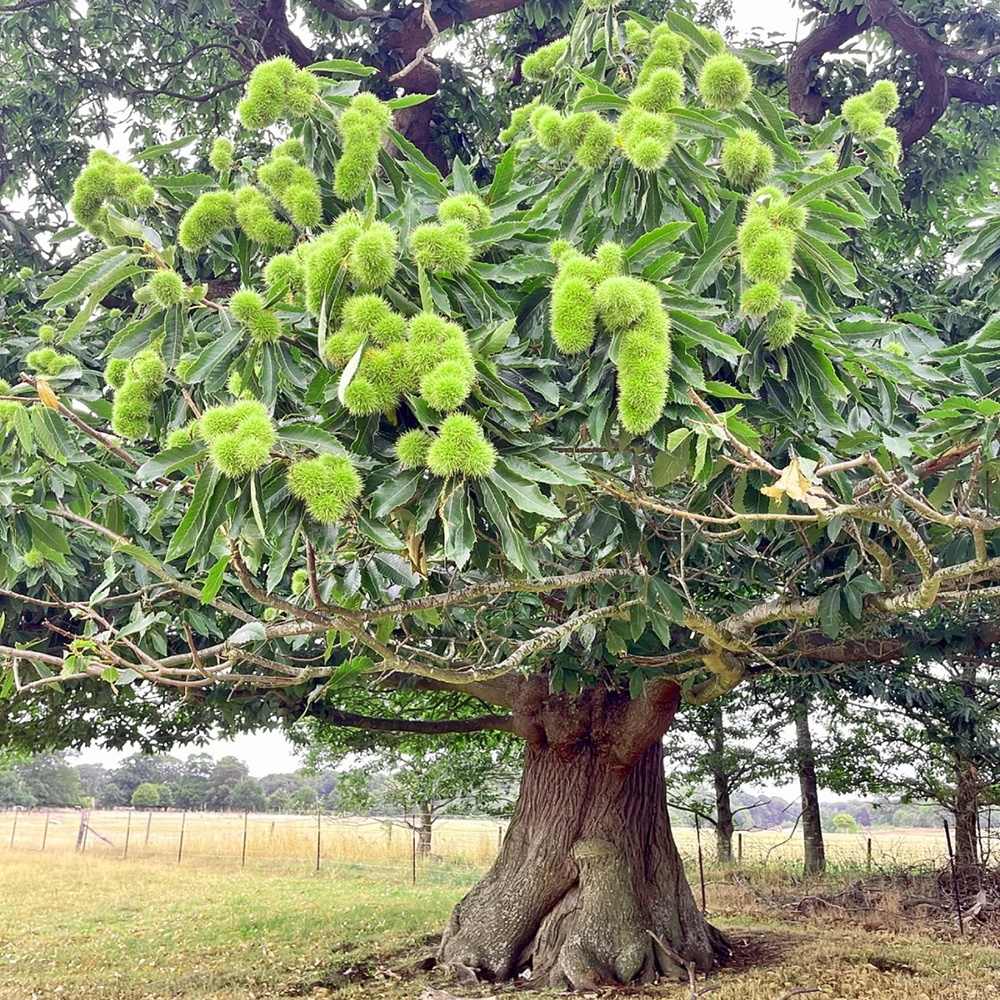
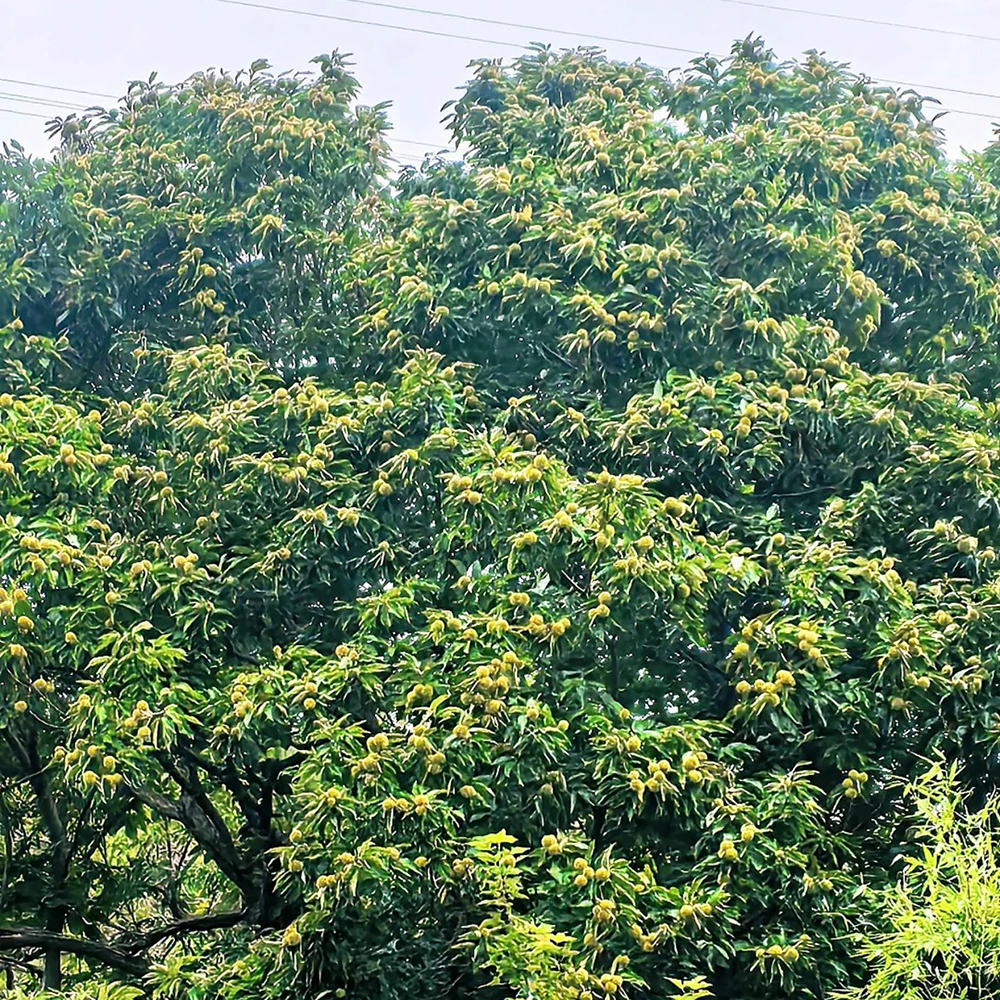
The American Chestnut Tree (Castanea dentata) is a majestic and historically significant tree native to the eastern United States. Once a dominant tree in the forests of the region, the American Chestnut was nearly wiped out by a devastating blight in the early 20th century. Thanks to ongoing restoration efforts, this iconic tree is making a comeback. The American Chestnut is known for its large, sweet nuts, which were a major food source for both wildlife and humans before the blight. This fast-growing, large deciduous tree is not only prized for its edible nuts but also for its beautiful fall foliage, strong wood, and ability to thrive in a variety of landscapes. Planting American Chestnut seeds offers the opportunity to restore this once-prominent species while enjoying its many benefits.
Key Features:
- Edible Nuts: The American Chestnut produces large, sweet, and nutritious nuts that are prized for their flavor and can be roasted, used in recipes, or eaten raw.
- Fast-Growing: This tree is known for its rapid growth, quickly reaching impressive heights and providing shade and beauty to your landscape.
- Historical Significance: Once one of the most abundant trees in the U.S., the American Chestnut holds cultural and ecological importance, and its restoration is a symbol of environmental resilience.
- Attractive Foliage: The tree boasts glossy, serrated leaves that turn golden-yellow or red in the fall, adding color and interest to the landscape.
- Hardwood Tree: The wood of the American Chestnut is strong, durable, and rot-resistant, historically valued for construction and furniture making.
Growing Information:
Light: The American Chestnut tree thrives in full sun to partial shade. For optimal growth and nut production, plant in an area that receives at least 6 hours of direct sunlight per day.
Soil: American Chestnuts prefer slightly acidic, well-draining soil. They thrive in loamy soils but can tolerate a range of soil types, provided the drainage is good. Avoid heavy clay soils that retain too much moisture.
Planting Tips:
- Stratify the seeds by soaking them in water for 24 hours and then refrigerating them for 30–60 days to break dormancy before planting.
- Plant seeds 1–2 inches deep in the soil, spacing them at least 10–15 feet apart to accommodate the mature tree’s large canopy.
- If planting multiple trees, consider planting in groups to encourage cross-pollination, which can improve nut yields.
Watering: Water regularly to keep the soil consistently moist, especially during the first few years of growth. Once established, the tree is relatively drought-tolerant, but consistent moisture will encourage better growth and nut production.
Benefits:
- Nut Production: American Chestnuts provide a valuable food source for wildlife and humans. The nuts are rich in carbohydrates and can be used in a variety of culinary dishes, including roasting, baking, and as an ingredient in stuffing or soups.
- Fast Growth and Shade: As a fast-growing tree, the American Chestnut provides quick shade and can be a valuable addition to your landscape, whether as a standalone tree or as part of a larger garden.
- Historical Restoration: Planting American Chestnuts helps contribute to the restoration of this iconic species, which was once nearly wiped out by the chestnut blight.
- Wildlife Habitat: The tree’s nuts are highly favored by wildlife, including squirrels, deer, birds, and other mammals, making it a valuable addition to wildlife gardens.
- Strong, Durable Wood: The wood of the American Chestnut is prized for its durability and resistance to rot, making it an excellent resource for furniture, construction, and woodworking.
Growing Zones: American Chestnuts thrive in USDA Hardiness Zones 4–8. These zones cover a broad range of temperate climates in the eastern U.S. where the species was historically found, making it suitable for many different regions.
How to Use in the Garden:
- Shade Tree: The American Chestnut makes an excellent shade tree for large yards, parks, and naturalized areas. Its large canopy and fast growth provide quick shade to outdoor spaces.
- Edible Landscape: Incorporate the American Chestnut into an edible landscape, where its delicious nuts can be harvested for culinary use.
- Wildlife Garden: The nuts of the American Chestnut attract a wide variety of wildlife, including birds, squirrels, and deer. This makes it a perfect tree for creating a wildlife-friendly garden or habitat.
- Restoration Projects: Planting American Chestnuts is a great way to contribute to reforestation efforts and help restore the species in its native range.
Conclusion: The American Chestnut Tree (Castanea dentata) offers many valuable benefits, from its fast growth and beautiful foliage to its delicious, nutritious nuts and strong, rot-resistant wood. By planting American Chestnut seeds, you are contributing to the restoration of an iconic species while enhancing your landscape with a tree that provides beauty, shade, and food. Whether you are growing it for its ecological significance, wildlife value, or the culinary possibilities of its sweet nuts, the American Chestnut is a timeless addition to any garden or restoration project.
-
Customer ReviewsNo comments